Traditional Holidays and Festivals in Costa Rica
While most of the world operates on a strict 365-day Gregorian calendar, life in the Talamanca highlands follows a different cadence. To truly understand the Bribri Indigenous Territory, visitors must look beyond national holidays and toward the cycles of the harvest, the phases of the moon, and the spiritual obligations mandated by Sibö. Traveling here offers a dual-calendar experience: the festive public holidays of Costa Rica and the private, ritualistic observances of the Talamanca mountains.
National Statutory Holidays
Costa Rica’s public holidays are marked by parades and closures. These dates are essential for logistics, as banks and government offices will be closed nationwide. For more on handling finances during these times, see our currency and payment guide.
Bribri Ritual Cycles
The ritual calendar is fluid, dictated by communal needs and spiritual leadership. These events aren’t always publicized, requiring a local indigenous guide to navigate respectfully and understand when ceremonies like the Sorbón are taking place.
The Sorbón: Dancing the Creation of the Universe
The Baile del Sorbón is not merely a dance; it is a living recitation of the Bribri creation story. This ritual is the cornerstone of Bribri cultural identity, performed during significant communal gatherings, such as the completion of a new ‘U-sure’ conical house or the appointment of a community leader.
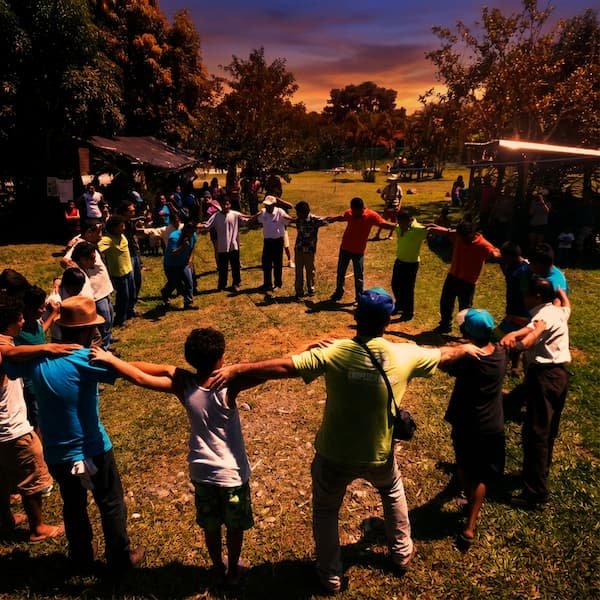
“The Sorbón reminds us that we are all connected. As we interlock arms, we become the roots of the forest, holding the laws of Sibö together against the passage of time.”
- Symbolic Movement: The dancers move in a counter-clockwise circular motion, mirroring the flow of the universe and the path of the sun as it was established at the dawn of time.
- Social Cohesion: By interlocking arms, participants demonstrate the strength of the clan system. Within this matriarchal society, the Sorbón reinforces the collective duty to protect the land.
- Visitor Context: These ceremonies are deeply sacred. While visitors may sometimes be invited to observe from the periphery, photography is often restricted—always consult your guide before capturing these moments.
April 19th: Indigenous Rights Day in the Reserve
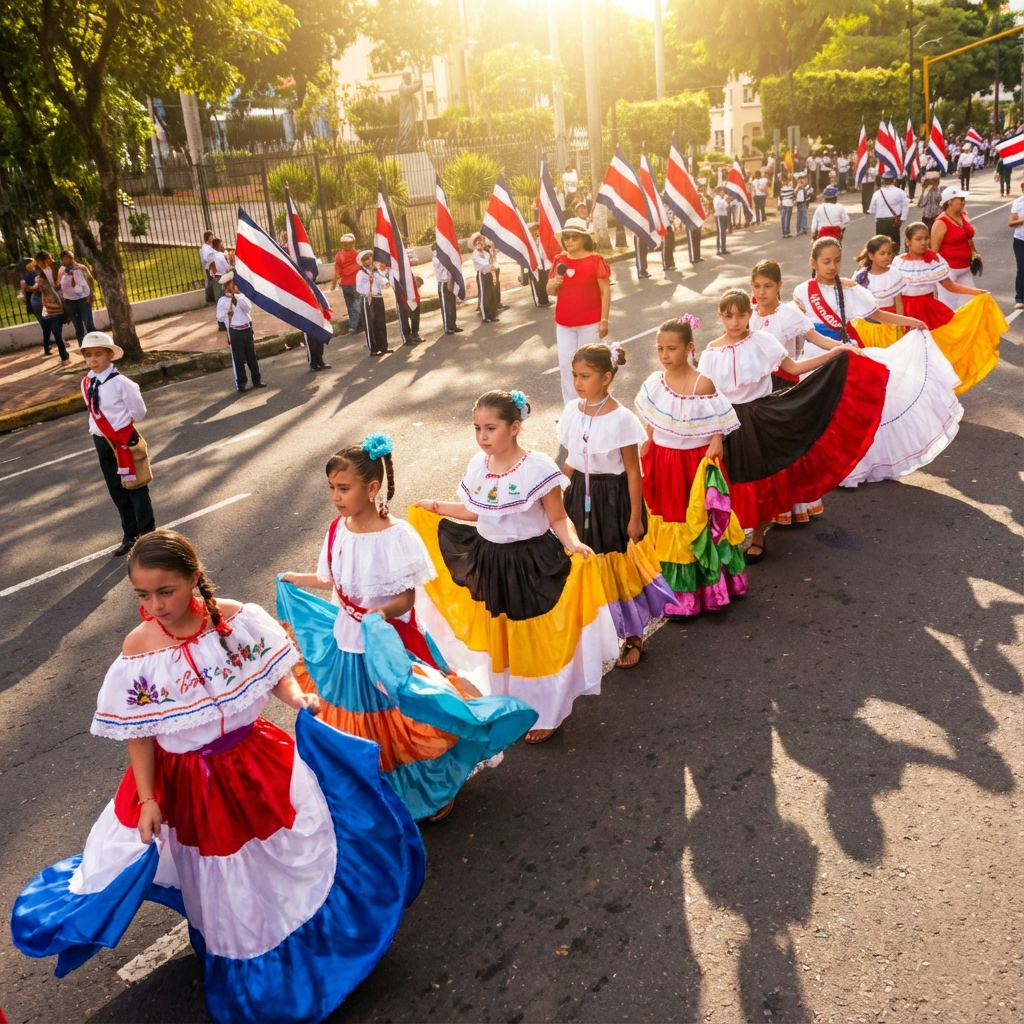
While April 19th is recognized across Costa Rica as Day of the Aborigine, within the Bribri territory, it transforms into a vibrant display of cultural pride and physical prowess. It is a day where the youth demonstrate that ancestral skills are very much alive. The celebration emphasizes self-determination and the continued fight for land rights, reflecting a history of resistance dating back to the colonial era. Expect vibrant expressions of identity, rather than somber remembrance.
- Traditional Athletics: The air is filled with the whistle of arrows during archery contests, where competitors use hand-carved bows to hit targets at impressive distances. These bows are often made from the *pitzhöl* tree, known for its flexibility and strength.
- Strength Trials: One of the most anticipated events is the log-carrying race. Teams must carry heavy timber through challenging terrain, testing endurance and the communal cooperation necessary for survival in the Talamanca rainforest. These logs can weigh upwards of 200 pounds and represent the burdens and responsibilities shared by the community.
- Cultural Pride: The day serves as a public demonstration of the Bribri’s resilience, showcasing traditional crafts and the sacred chocolate rituals that define their spiritual life. Demonstrations also include traditional weaving techniques using natural fibers and the preparation of *chicha*, the fermented maize drink that holds significant cultural value.
Mother’s Day (August 15th): Honoring the Matriarchs
While celebrated nationally, Mother’s Day (August 15th) takes on a heightened significance within the matriarchal Bribri society. It’s more than just a day of gifts and flowers; it’s a profound recognition of the central role women play in maintaining social cohesion, transmitting ancestral knowledge, and stewarding the land. The celebrations blend national customs with unique Bribri traditions, emphasizing the vital role of women in the community.
- Clan-Based Celebrations: Each Bribri clan organizes specific events to honor their elder women. These can range from private family gatherings to larger communal feasts, depending on the clan’s traditions and resources.
- Recognition of Ancestral Knowledge: Elder women, especially grandmothers, are publicly recognized for their role in preserving and passing down traditional knowledge. This includes skills like weaving, medicinal plant knowledge, and the oral history of the Bribri people.
- Symbolic Gifts: While store-bought gifts are appreciated, handmade items carrying symbolic value hold greater significance. These can include woven baskets, hand-carved gourds, or traditional Bribri clothing, each representing the skill and dedication of the giver.
The celebration reinforces the importance of matrilineal inheritance, ensuring that cultural knowledge and land rights continue to be passed down through the female line. It’s a day of profound respect and gratitude, solidifying the matriarchal foundations of Bribri society.
Chicha and Cacao: The Beverages of Celebration
No Bribri festival is complete without the presence of two sacred beverages: *chicha* and cacao. These drinks are not merely refreshments; they are potent symbols of cultural identity, ancestral connection, and communal unity.
The Brewing of Chicha
The brewing of *chicha* is a labor-intensive process, traditionally undertaken by elder women within the community. Sprouted maize is chewed by the grandmothers, their saliva containing enzymes that initiate the fermentation process. This act is considered sacred, connecting the present generation to their ancestors.
- The chewed maize is then boiled and placed in large clay pots (*ùrròk*) to ferment for several days.
- The resulting *chicha* is a mildly alcoholic beverage, offering a slightly sour and earthy taste.
- It is considered a sacred offering to Sibö, the creator god, and is shared among the community to strengthen bonds.
Cacao’s Elevated Role in Ritual
While cacao is a staple in the Bribri diet, its significance is heightened during specific holiday rituals. The preparation and consumption of cacao take on a sacred dimension, connecting participants to the spiritual realm.
- Cacao beans are ground and mixed with other sacred plants, such as *bijagua* leaves and various spices, to create a potent drink. The exact ingredients vary depending on the specific ceremony and the *Uséköl’s* (shaman) guidance.
- This drink is consumed by the *Uséköl* to facilitate communication with the spirit world, seeking guidance and blessings for the community.
- It is distinct from the typical chocolate drink and is reserved for solemn occasions, reflecting the Bribri’s deep spiritual connection to cacao. See our food and cacao page for more information.
| Date/Month | Event | Significance | Logistical Impact |
|---|---|---|---|
| Jan 1st | New Year’s Day | National Holiday | Transport / Shops Closed |
| Mar/Apr | Semana Santa | Holy Week | High travel volume; limited buses |
| April 11th | Juan Santamaría Day | National Hero | Parades in major cities |
| April 19th | Indigenous Rights Day | Cultural Games | Major gathering in the Reserve |
| July 25th | Annexation of Guanacaste | Historical Union | National Holiday |
| August 15th | Mother’s Day | Matriarchal Honor | Significant celebration in Bribri |
| September 15th | Independence Day | National Holiday | Parades; some businesses closed |
| December 25th | Christmas Day | National Holiday | Limited transport; family celebrations |
Experience Talamanca’s Traditions
To witness these traditions firsthand, consider booking a cultural tour led by certified Bribri guides. These experiences ensure your visit supports the local economy and respects indigenous protocols. Remember to plan your visit to align with the unique cultural landscape of the region.

Cahuita National Park & Bribri Chocolate & Waterfall Visit
⭐ Professional local guide included
🔥 Booked 10 times this week

Bribri Indigenous Village Chocolate Tour, Cahuita and Waterfalls
⭐ Professional local guide included
⏳ Only 3 spots left