February 2026 Cacao Harvest: What Travelers Will See This Month
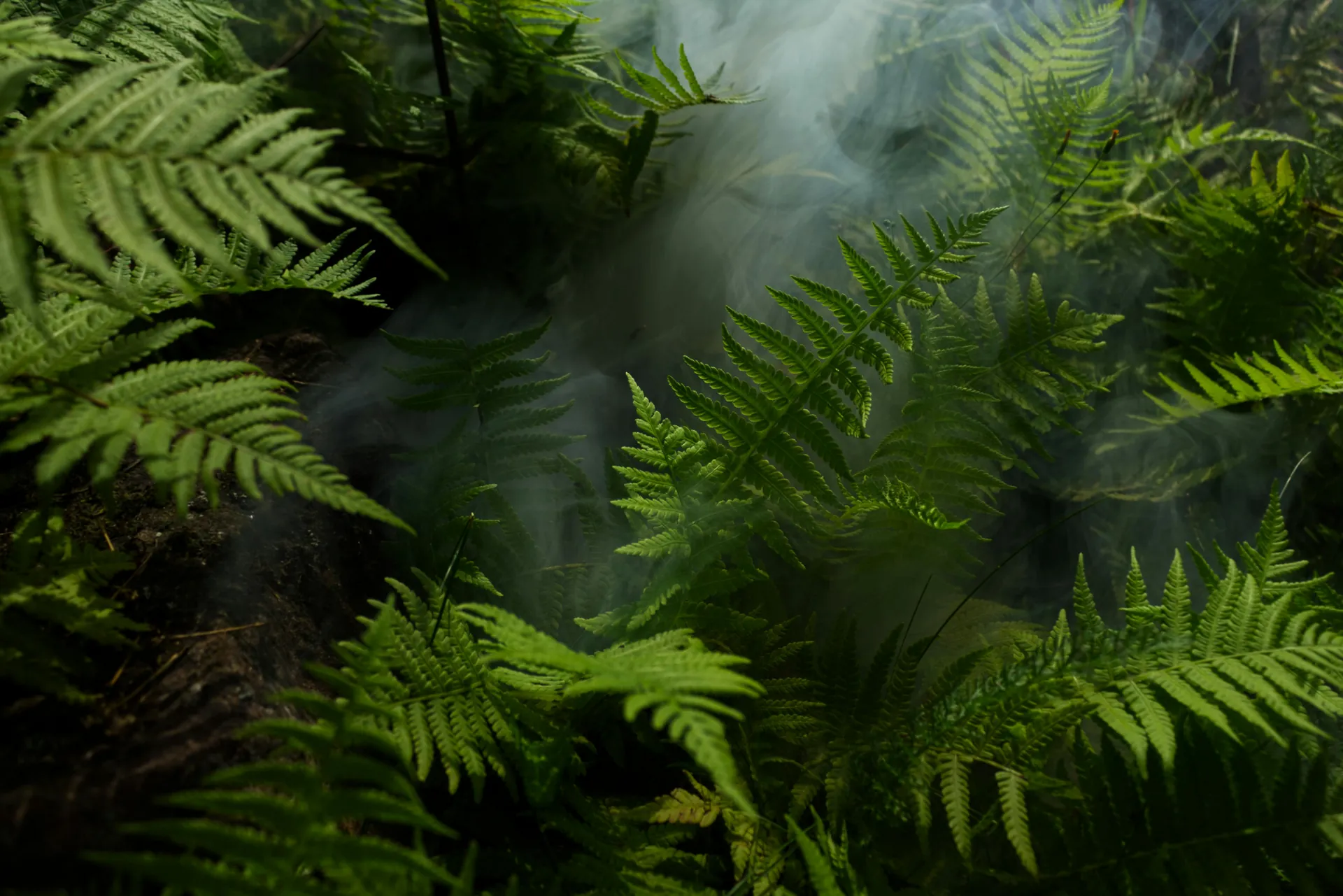
February 2026 in the Talamanca mountains presents a specific phenological window that differs significantly from the primary December harvest. While the heavy rains of the late year have subsided, the Bribri Indigenous Territory enters the traviesa, or secondary harvest. Travelers visiting during this month will observe the Theobroma cacao trees in a rare dual state. The trunks are simultaneously laden with ripening mid-crop pods and covered in thousands of microscopic white blossoms. These flowers, emerging directly from the bark in a process known as cauliflory, represent the biological foundation for the major May harvest cycle. Observing this transition requires a slow pace; the flowers are so small they are often missed by those accustomed to more ostentatious tropical flora.
February 2026 Cacao Activity Calendar
| Activity | Focus Area | Visitor Interaction |
|---|---|---|
| Flowering Event | Grove Canopy | Visual observation of trunk-borne blossoms |
| Traviesa Harvest | Lower Branches | Harvesting of secondary ripening pods |
| Phytosanitary Walk | All Trees | Observing manual removal of Monilia-infected pods |
| Solar Drying | Village Centers | Monitoring moisture reduction on raised mats |
| Seed Offerings | Mother Trees | Cultural observation of elder-led rituals |
The Mythological Identity of Cacao: Iridia and Tsiru
In the Bribri “Siwa” knowledge system, cacao is never viewed as a mere agricultural commodity. It is the physical manifestation of Iridia, the daughter of the creator god Sibö. According to oral history, Iridia was transformed into a cacao tree to ensure the Bribri would always have a bridge between the physical and spiritual realms. This belief system dictates the matrilineal inheritance of the groves, which you can learn more about in our guide to The Matriarchal Lineage. Inheritance and land rights are passed through the mother’s clan, ensuring that the “spirit of the cacao” remains within the ancestral bloodlines.
There is a critical distinction between the physical pod and the spirit, known as Tsiru. During February, when the new blossoms are most vulnerable to environmental stressors, elders perform specific rituals at the base of “Mother Trees.” These are the oldest, most resilient specimens in a grove. Travelers may see small offerings of cacao seeds or palm fibers placed at the roots. This is not a performance for visitors but a pragmatic spiritual defense intended to shield the Tsiru of the upcoming crop from malevolent forest spirits that cause rot and crop failure.
Manual Disease Management: The Phytosanitary Walk
One of the most striking sights for an agricultural traveler in February is the “Weekly Phytosanitary Walk.” The Bribri reject synthetic fungicides, which are common in industrial plantations but prohibited within the Talamanca reserve to maintain the purity of the soil. Instead, they manage Moniliophthora roreri, or “Frosty Pod Rot,” through intensive manual labor. You will see farmers meticulously inspecting every pod. When they find the tell-tale white, velvety fungal spores, they do not spray chemicals. Instead, they carefully remove the infected pod and bury it deep in the earth or cover it with leaf litter to prevent the spores from going airborne.
The Monilia fungus is a test of our patience. If we do not walk the groves every seven days in the February sun, the wind will carry the white dust to every tree in the valley. We do not fight nature with poison; we fight it with our hands.
— Bribri Cacao Farmer, Amubri Village
This labor-intensive process is what maintains the “Fine or Flavor” (Fino de Aroma) international classification of Bribri cacao. This designation is held by only 5% of global cacao production. For visitors, this means walking through groves that are chemical-free and ecologically balanced. When preparing for these walks, ensure you follow our Rainforest Packing List to select eco-friendly insect repellents that won’t disrupt the delicate pollination of the cacao blossoms by midges.
The February Sun: Solar Drying Logistics
February falls within the “Verano” (dry season), which provides the critical solar energy required for the post-harvest phase. Once the traviesa pods are harvested, the beans are extracted and placed in aromatic laurel wood boxes for fermentation. This “sweating” process lasts 5 to 6 days, where temperatures inside the boxes naturally reach 50°C (122°F). After fermentation, the beans must be dried. Visitors will see camas deshidratadoras (raised wooden mats) or solar tunnel dryers spread across the villages.
The technical goal during February is to reduce the moisture content of the bean from approximately 60% down to exactly 7%. If the moisture remains above 8%, mold will ruin the batch; if it drops below 6%, the beans become too brittle for international shipping. The February sun is consistent enough to achieve this 7% target within 5 to 7 days. You can taste the progress of this transformation by sampling the raw white mucilage—which tastes of lychee and tart citrus—before it disappears during the fermentation process. For more on the culinary applications of this fruit, visit our section on Traditional Flavors & Cacao.
Regional Context: Beyond the Groves
While the Bribri Territory is the focus of the harvest, the surrounding Talamanca region offers significant geographical and historical context. To the east, Cahuita National Park protects the largest coral reef in Costa Rica. During the 1991 Limón earthquake, this reef was physically uplifted by approximately 1.5 meters. Today, travelers can walk along the shoreline and see “fossilized” brain and elkhorn corals that are now permanently above sea level. This tectonic event altered the drainage of the entire Talamanca coastline, affecting the very rivers that the Bribri use for transport. You can find more details on regional travel in our Nearby Attractions guide.
In Puerto Viejo, just a short drive from the Bribri entry points, February marks the absolute peak of the “Salsa Brava” surf season. The powerful reef break attracts professional surfers from across the globe, creating a stark contrast to the quiet, ritualistic atmosphere of the cacao groves just a few miles inland. Navigating between these two worlds—the Afro-Caribbean coast and the Indigenous highlands—is best managed with the logistics found on our Transport Page, which details MEPE bus Route 703 schedules and the 4×4 requirements for reaching more remote Bribri villages during the dry season.

BriBri Indigenous Village Chocolate Tour, Cahuita and Waterfalls
⭐ Experience
🔥 Professional local guide included

Cahuita National Park & Bribri chocolate & Waterfall visit.
⭐ Cahuita Experience
🔥 High demand: 12 people viewed today

Wild, Sweet and Refreshing: A Tour of Cahuita, Bri-Bri and Ma-Cu
⭐ Wild, Experience
🔥 Recommended for high-season travel

Full Day Cahuita Snorkel And Sloth Sanctuary from Puerto Viejo de Limón
⭐ Full Experience
🔥 Top Choice in Costa Rica

7-in-1 Combo Tour: Tortuguero Canals Shore Excursion
⭐ 7-in-1 Experience
🔥 Bestseller in 2026

Round Trip Transfer Liberia Airport to Your Hotel or Airbnb
⭐ Round Experience
🔥 Booked 15 times today
Frequently Asked Questions
What is the difference between the December and February harvests?
The December harvest is the primary “Gran Cosecha,” yielding the highest volume of pods. February is the “Traviesa” or secondary harvest, which yields less volume but occurs during the dry season, making the solar drying process more efficient and providing a better window for viewing the new flowering event on the trunks.
Can I participate in the “Phytosanitary Walk”?
While visitors are encouraged to observe the process, the manual removal of Monilia-infected pods is a skilled task. One misplaced touch can spread thousands of microscopic spores to healthy trees, so guests are typically asked to maintain a respectful distance while a guide explains the “cultural control” tactics being used.
Is the cacao ritual in February different from other months?
Yes, the rituals in February focus heavily on “protection” rather than “thanksgiving.” Because the tiny blossoms are emerging, the spiritual emphasis is on shielding the “Tsiru” (spirit) from environmental harm and malevolent forces to ensure the success of the upcoming May harvest cycle.
What does raw cacao mucilage taste like?
Before the bean is fermented and dried, it is covered in a white, pulpy fruit called mucilage. In February, this pulp is at its peak sweetness, offering a complex flavor profile similar to lychee, mangosteen, and lime, with no hint of the chocolate flavor that develops later through heat and fermentation.
Why is the 7% moisture level so specific for drying?
The 7% threshold is the international industry standard for “Fine or Flavor” cacao. If the moisture is higher, the beans will rot during transit across the ocean; if it is lower, the outer shell (husk) becomes too brittle, leading to breakage and loss of the volatile oils that give Bribri chocolate its distinct floral and nutty notes.